
From September 21–27, 2026, Migraine Awareness Week will highlight a condition that is often misunderstood. This year, The Migraine Trust’s message is direct: “Migraine really is ‘that bad’: believe us.” The campaign aims to raise awareness of the real impact of migraine and challenge the idea that it is simply “a headache.
Migraine Is More Than a Headache
Migraine is a neurological condition whose symptoms vary from person to person. In addition to head pain, attacks may involve nausea, vomiting, and sensitivity to light or sound. Some people may also experience migraine attacks without prominent head pain.
Because many migraine symptoms are invisible, their impact can be difficult for others to recognize. This makes awareness—and taking people’s experiences seriously—an important part of understanding migraine.
Migraine Management Can Take More Than One Form
There is no single approach to managing migraine. Depending on the individual, management may include acute or preventive treatments, lifestyle changes, behavioral approaches, and other therapies. The American Migraine Foundation identifies neuromodulation as one non-drug option within this broader range of approaches.
How e-TNS Works
External trigeminal nerve stimulation (e-TNS) is a form of non-invasive neuromodulation that uses gentle electrical impulses delivered through electrodes on the forehead to stimulate branches of the trigeminal nerve, which is involved in head and facial pain signaling.
Research has explored trigeminal nerve stimulation for both acute and preventive migraine management, including randomized controlled trials published in The American Journal of Emergency Medicine and Scientific Reports. The American Migraine Foundation also recognizes neuromodulation as a non-drug approach that may help some people manage migraine.
A Non-Drug Option for Migraine Prevention
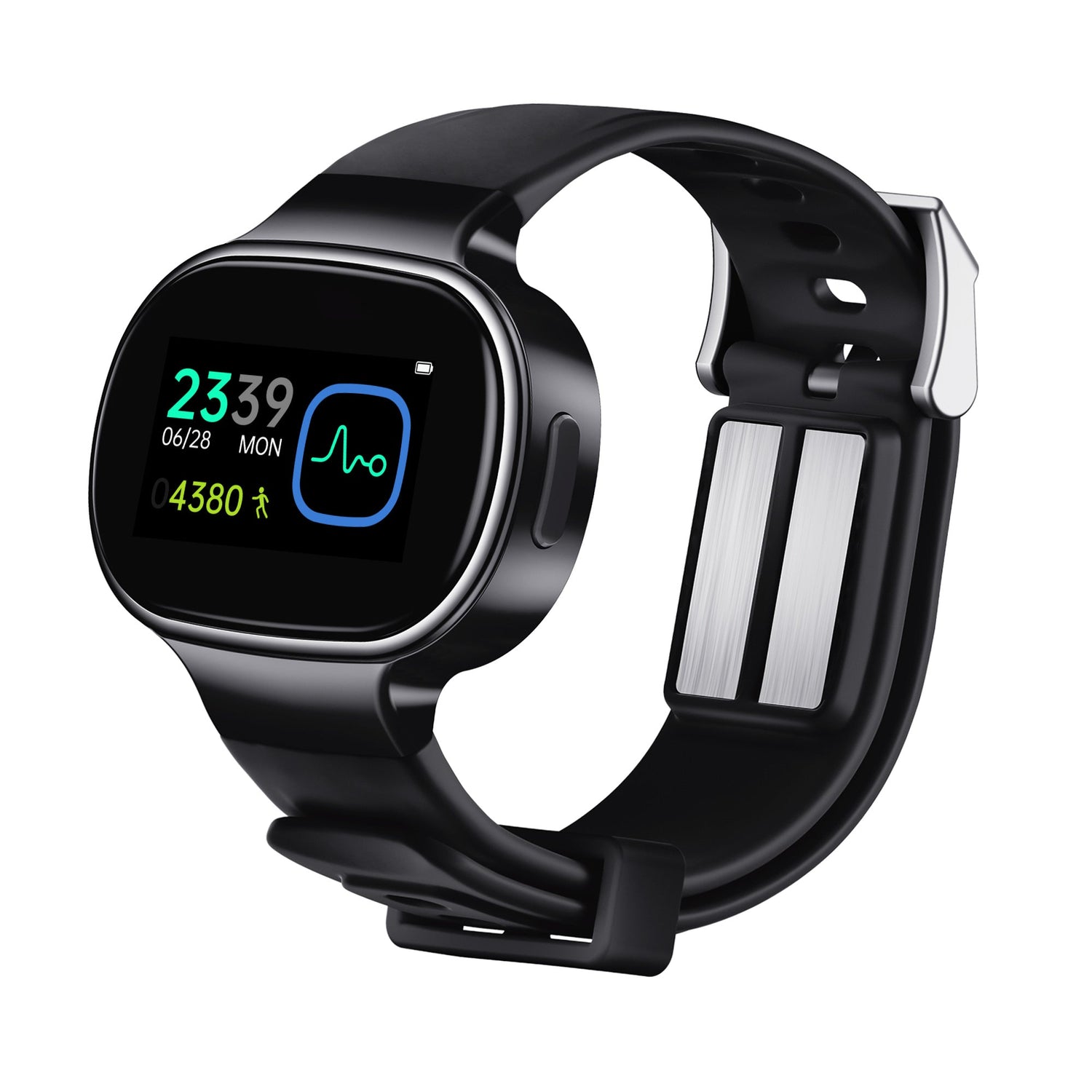
HeadaTerm 2 is a wearable e-TNS device developed for migraine prevention. It is worn on the forehead and delivers electrical stimulation to nerves in the trigeminal system.
It is FDA-cleared for the prophylactic treatment of episodic migraine in adults aged 18 and older and is listed in the American Migraine Foundation’s Device Corner. The device is rechargeable and allows users to adjust stimulation intensity. As with other migraine treatments, individual responses may vary.

Beyond Technology: Everyday Habits Matter Too
Migraine management involves more than devices or medication. Regular sleep and meals, staying hydrated, managing stress, and tracking symptoms may help people identify patterns and have more informed conversations with healthcare professionals.
Because migraine triggers and treatment responses vary, management is an ongoing and individualized process.
Believe Migraine Experiences
Migraine may be invisible, but its impact can be significant. Migraine Awareness Week 2026 encourages greater understanding of what people with migraine experience and supports informed conversations about management options.
From lifestyle approaches and medication to non-invasive neuromodulation, there is no single solution for everyone. As research continues, approaches such as e-TNS may offer another non-drug option for migraine prevention.
References
1. The Migraine Trust. (2026). Migraine Awareness Week 2026. https://migrainetrust.org/get-involved/campaign-with-us/migraine-awareness-week/
2. Hokenek, N. M., Erdogan, M. O., Hokenek, U. D., Algin, A., Tekyol, D., & Seyhan, A. U. (2021). Treatment of migraine attacks by transcutaneous electrical nerve stimulation in emergency department: A randomized controlled trial. The American Journal of Emergency Medicine, 39, 80–85. https://doi.org/10.1016/j.ajem.2020.01.024
3. Kuruvilla, D. E., Mann, J. I., Tepper, S. J., Korrapati, S., & the TEAM Study Investigators. (2022). Phase 3 randomized, double-blind, sham-controlled trial of e-TNS for the acute treatment of migraine (TEAM). Scientific Reports, 12, 5110. https://doi.org/10.1038/s41598-022-09071-6
4. American Migraine Foundation. (2025). What is the role of neuromodulation? https://americanmigrainefoundation.org/resource-library/what-is-the-role-of-neuromodulation/
5. American Migraine Foundation. (2025). Inside AMF’s Device Corner: A guide to neuromodulation for migraine. https://americanmigrainefoundation.org/device-corner/