
Migraine is a neurological condition affecting over one billion people worldwide. While many patients continue daily activities, driving during a migraine episode may pose serious safety risks due to visual, sensory, and cognitive impairment.
How Migraine Symptoms Affect Driving
A migraine attack can bring a range of symptoms that interfere with safe driving:
- Visual Disturbances: Many people experience auras or blurred vision before or during a migraine, making it difficult to see the road, signs, and other vehicles clearly.
- Sensitivity to Light and Sound: Bright sunlight, glare from headlights, and loud noises can worsen migraine symptoms and distract attention.
- Nausea and Dizziness: Feeling sick or unsteady can make it unsafe to concentrate on driving.
- Cognitive Impairment: Brain fog, slowed reaction time, and difficulty concentrating can reduce your ability to respond to sudden changes in traffic.
- Fatigue: Extreme tiredness is common and can make it hard to stay alert behind the wheel.
When to Stop Driving
If you notice warning signs such as blurred vision, intense light sensitivity, dizziness, or nausea while driving, it is essential to pull over safely and stop driving until symptoms lessen. Attempting to continue driving under these conditions increases the risk of accidents and injury.
Practical Tips to Reduce Driving Risk
- Plan Ahead: If you know you’re prone to migraines, schedule drives at times when symptoms are least likely or arrange alternative transportation for long trips.
- Avoid Known Triggers: Bright sunlight, strong smells, lack of sleep, and stress are common triggers. Being aware of your triggers can help you reduce the chance of an attack while driving.
- Modify the Driving Environment: Use polarized sunglasses to reduce glare, keep noise low, and take breaks on longer journeys.
- Have a Support Plan: Always have a plan for what you will do if a migraine starts while you’re on the road. This may include having a passenger ready to take over driving, using ride-share services, or pulling over to rest safely.

Acute Migraine Relief: HeadaTerm
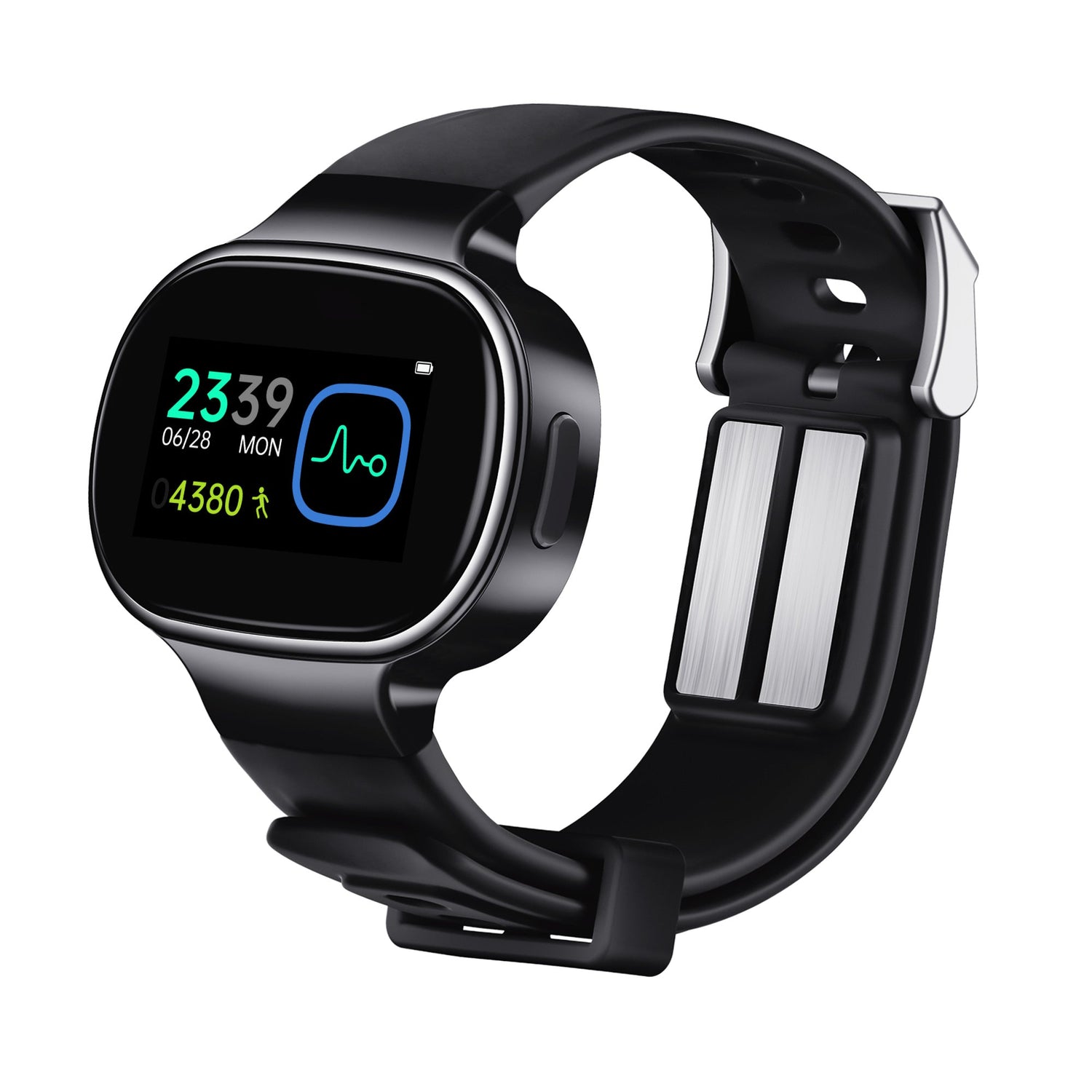
For many people, rapid relief during a migraine attack can make the difference between being stranded and being able to recover safely. HeadaTerm2 is designed to provide timely pain relief during acute migraine episodes. When symptoms begin while you are preparing to drive or already on the road, HeadaTerm can help reduce pain and associated sensory symptoms, helping you regain control and make safer decisions.
It should be noted that using HeadaTerm may cause people to feel sleepy. Therefore, we suggest that when experiencing an acute migraine attack during drive, pull over to the side of the road and enjoy the HeadaTerm “head massage”. Discuss with your healthcare provider whether HeadaTerm is appropriate for your individual needs and how to incorporate it into your migraine management plan.
Conclusion
Migraine symptoms can significantly affect your ability to drive safely. Recognizing early warning signs, avoiding known triggers, and having strategies in place—including access to fast-acting relief device like HeadaTerm—can help you manage migraine episodes more effectively and reduce risk on the road. When in doubt, it is always safer to stop driving, rest, and seek help rather than continue driving under impaired conditions.
References
1. Healthline. Driving With a Migraine. https://www.healthline.com/healthy/driving-with-a-migraine
2. WebMD. Migraine and Driving. https://www.webmd.com/migraines-headaches/headaches-migraine-driving
3. MD Accident Law. Driving With a Migraine Safety Guide. https://www.mdaccidentlaw.com/driving-with-a-migraine-safety-guide/