
For many veterans, the wounds of service extend far beyond what the eye can see. Trauma exposure, blast injuries, and the psychological impact of combat leave lasting effects, often manifesting as chronic headaches or migraine.
Recent data from a nationwide study of U.S. veterans within the Veterans Health Administration (2008–2019) highlight the significant burden of migraine in this community. The research shows that the one-year period prevalence of clinically diagnosed migraine reached 8.5%–13.0% among female veterans, while 1.1%–2.5% of male veterans were affected.(Elizabeth K., 2022) These rates are notably higher than those observed in the general adult population, underscoring the disproportionate impact of chronic headaches on veterans and the urgent need for accessible, long-term management options.
Why do PTSD and migraine overlap so often in veterans? Firstly, trauma exposure (combat, blast injury, TBI) can sensitize the nervous system, making headaches more likely. Secondly, stress, hyper-arousal, sleep disturbance, and other PTSD symptoms may trigger or exacerbate migraine attacks. Recent genetic-association work even indicates that PTSD increases risk of migraine independent of major depression or anxiety. The cycle of pain → disability → increased psychological distress → more pain is especially relevant in veterans, where head injuries and trauma histories meet. Thus, for veterans dealing with both PTSD and migraine, the burden is more than the sum of parts.
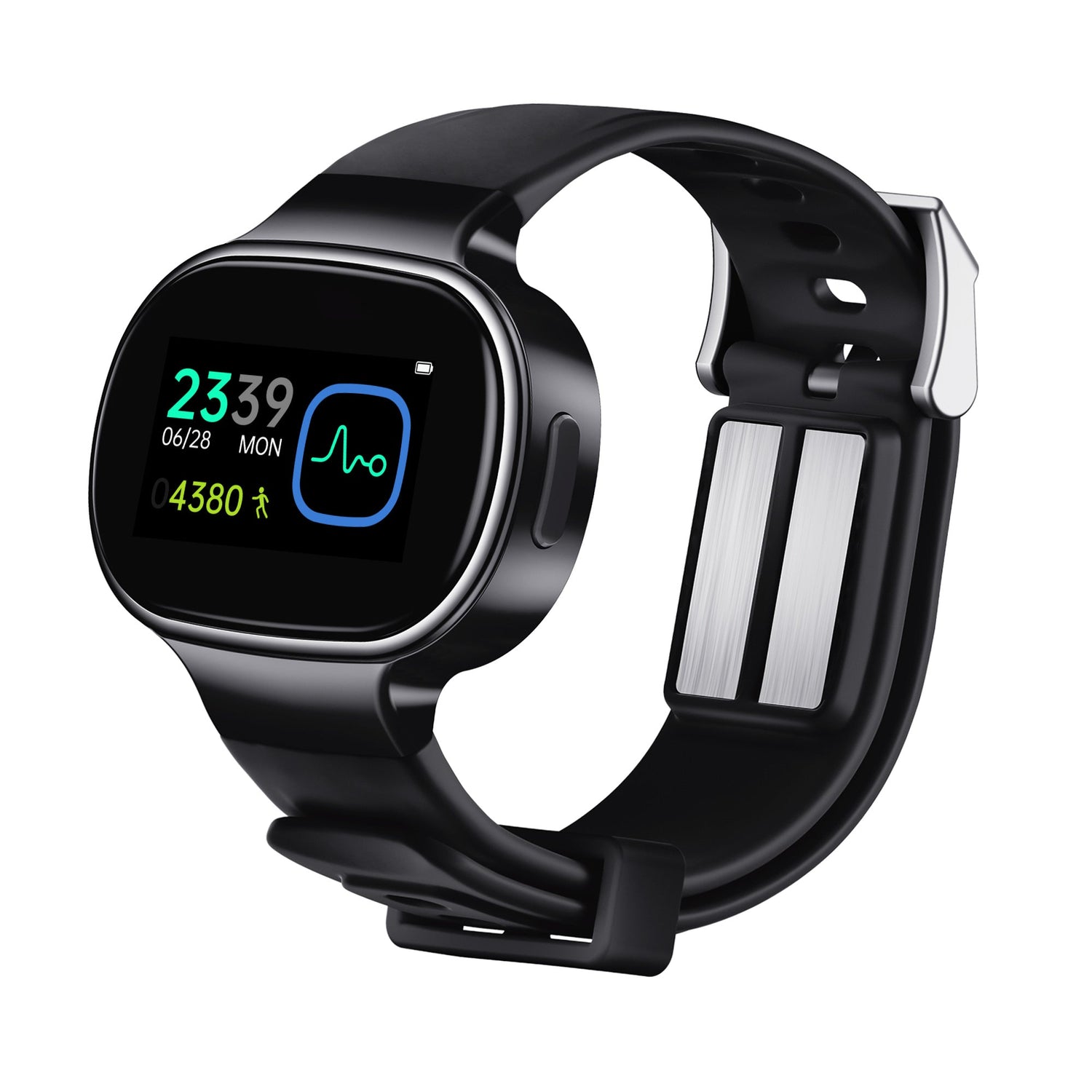
HeadaTerm2 is a wearable neuromodulation device based on external trigeminal nerve stimulation (e-TNS). It delivers mild electrical impulses to the supraorbital branch of the trigeminal nerve via electrodes placed on the forehead. This stimulation modulates pain perception through the central nervous system, potentially reducing both the frequency and intensity of migraine episodes. A pivotal randomized clinical trial (TEAM study) demonstrated that a 2-hour e-TNS treatment significantly reduced migraine intensity, with minimal side effects such as transient tingling or skin discomfort. (Hokenek, 2021)

Portable, easy to use, and suitable for both preventive sessions and acute episodes, HeadaTerm 2 provides veterans with a practical tool to help manage symptoms more independently. As awareness grows around trauma-related headache disorders, accessible neuromodulation technology like HeadaTerm 2 gives veterans renewed confidence—and a pathway toward improved comfort and quality of life.
Although HeadaTerm 2 is cleared for episodic migraine, veterans with chronic daily headache, post-traumatic headache or mixed headache phenotypes should consult their healthcare provider to assess suitability. Integrating the device with trauma-informed care (sleep hygiene, CBT for headache/PTSD, avoidance of triggers) may yield optimal outcomes.
WAT Medical is committed to taking a greater role to expand its support for veteran communities. We want to contribute more actively to social responsibility initiatives, and collaborate with medical partners to advance clinical research in trauma-related migraine. By deepening its scientific efforts and community engagement, WAT Medical hopes to bring more effective, accessible solutions to those who have served.
References
1. Seng EK, Fenton BT, Wang K, et al. (2022). Frequency, Demographics, Comorbidities, and Health Care Utilization by Veterans With Migraine: A VA Nationwide Cohort Study. Neurology. 99(18):e1979-e1992.
2. Hokenek, N. M., Erdogan, M. O., Hokenek, U. D., Algin, A., Tekyol, D., & Seyhan, A. U. (2021). Treatment of migraine attacks by transcutaneous electrical nerve stimulation in emergency department: A randomize controlled trial. The American Journal of Emergency Medicine, 39, 80-85.
3. www.emeterm.com
4. www.watmedical.com