
Global travel is experiencing one of its strongest rebounds in more than a decade, driven by rising consumer confidence and the reopening of major long-haul corridors. According to the UN World Tourism Organization, international tourist arrivals in 2024 climbed to nearly 1.3 billion—approaching pre-pandemic highs—with continued growth forecast into 2025–2026. (UNWTO, 2024)
This surge is most visible across major travel hubs. Europe remains the world’s busiest destination region, with peak traffic reported in cities such as Paris, Rome, and Barcelona. Asia-Pacific is also accelerating quickly as Japan, South Korea, and Southeast Asia report record inbound bookings. In North America, long-haul travel to coastal hotspots including Honolulu, Vancouver, and Miami continues to grow, particularly among cruise travelers. Cruise Lines International Association (CLIA) notes that global cruise demand has surpassed 2019 levels, driven by expanded routes in Alaska, the Mediterranean, and the Caribbean. (CLIA, 2024)
At the same time, multi-segment travel patterns are becoming more common. Travelers are combining long-haul flights with regional rail, intercity buses, road trips, and island ferry connections. Popular combinations include European rail itineraries linked with Mediterranean cruises, and trans-Pacific flights paired with Southeast Asian island transfers. This diversification in travel modes is reshaping the global mobility landscape and introducing more complex travel days, with longer transit times and greater exposure to varying transport environments.

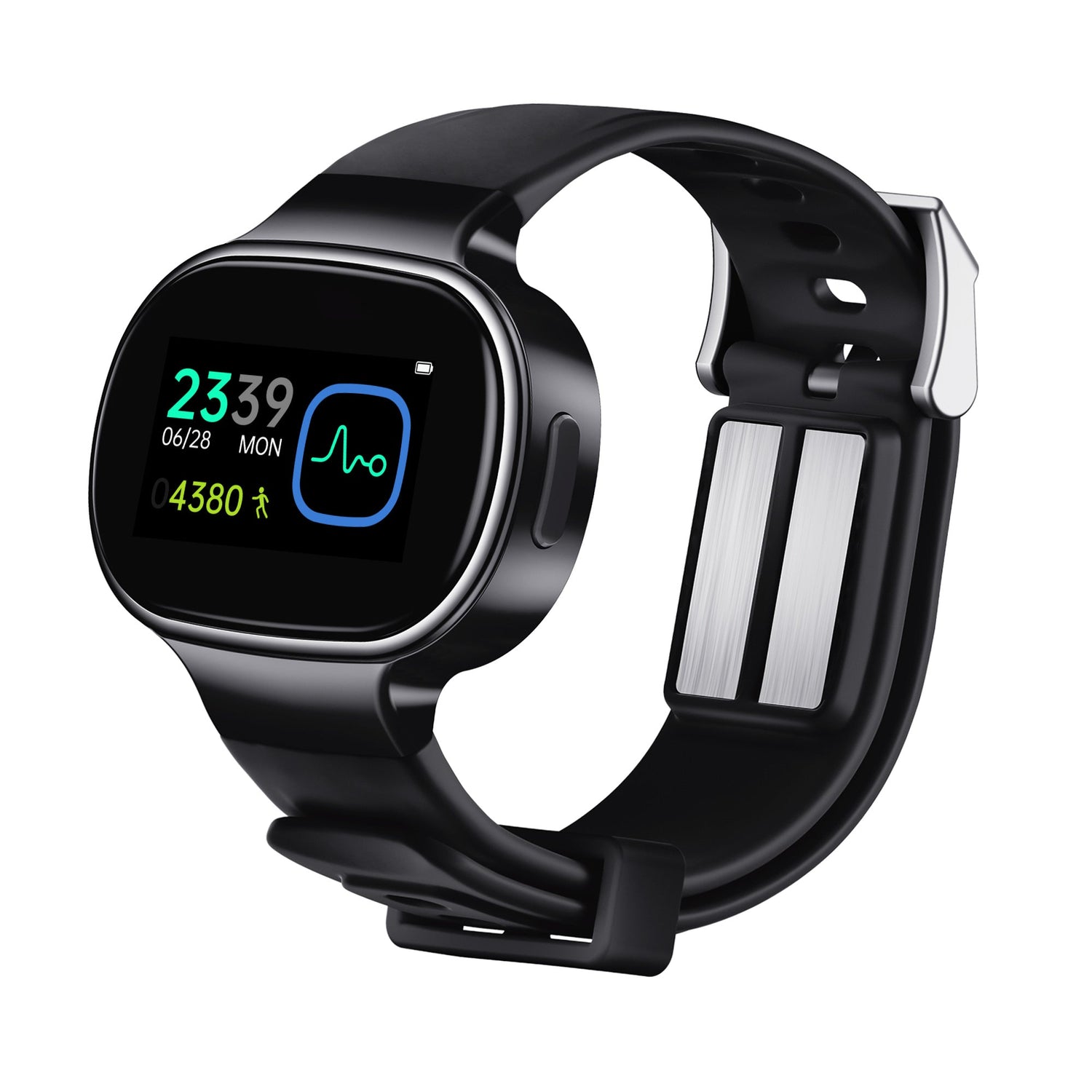
For individuals prone to motion sickness, this mix of transportation modes can present ongoing challenges. Sudden changes in movement patterns, extended travel durations, and limited rest opportunities often intensify nausea and discomfort. To address this challenge, EmeTerm are providing a wearable, drug-free technologies that could give rapid, convenient relief.
EmeTerm is a wearable neuromodulation device developed by WAT Medical, it delivers gentle stimulation at the wrist and is designed to help relieve nausea without causing drowsiness or other medication-related side effects, making it suitable for use on planes, trains, cars, and boats. EmeTerm has widely use in adoption among frequent travelers, outdoor enthusiasts, and professionals who rely on clear alertness while on the road or at sea.
With global tourism expected to grow steadily through 2026, travel wellness, comfort, and in-transit experience will play increasingly important roles in traveler decision-making. As people venture farther and mix more transportation types in a single journey, demand for practical, non-disruptive solutions that support comfortable travel is projected to rise alongside the sector’s expansion.
References
1. World Tourism Organization (2024), International Tourism Highlights, 2024 Edition, November 2024, UN Tourism, Madrid, DOI: https://doi.org/10.18111/9789284425808
2. https://cruising.org/resources/2024-global-source-passenger-market-report
4. www.watmedical.com