
July 11th marks World Population Day, a global observance established by the United Nations to encourage conversations about people, communities, and the changing needs of our world. Population is not just about numbers—it is about how people live, work, travel, raise families, age with dignity, and access better healthcare.
As societies evolve, so do people's expectations of health and wellness. Different generations, lifestyles, and family structures are reshaping the way healthcare products are designed and experienced. At EmeTerm, these changes are more than market trends—they are opportunities to create technology that is more inclusive, more accessible, and more human-centered.
A World Connected by Different Needs
Today's world is more diverse than ever.
Young adults are embracing digital lifestyles, spontaneous travel, and outdoor adventures. Families are seeking safer, drug-free wellness solutions for children and expect products that fit naturally into everyday routines. Meanwhile, longer life expectancy means more older adults remain active, traveling, enjoying cruises, road trips, and time with loved ones well into retirement.
Although these groups have different lifestyles, they often share a common experience: nausea can interrupt meaningful moments.
Whether it is motion sickness during a family vacation, pregnancy-related nausea, post-operative recovery, or discomfort during daily travel, people want solutions that are effective, convenient, and easy to integrate into life.
Healthcare innovation today is no longer about creating one product for everyone. It is about understanding people with different needs and designing solutions that respect those differences.
Human-Centered Innovation Starts with Listening
At EmeTerm, product development begins with a simple question: How can technology better support real people in real-life situations?
Good healthcare should adapt to people—not ask people to adapt to healthcare. As wearable medical technologies become more integrated into everyday life, comfort, usability, and personalization are becoming just as important as clinical performance. This philosophy has inspired the continuous evolution of the EmeTerm product family.
For users seeking both functionality and everyday style, different product designs and colors allow wearable healthcare to blend seamlessly into modern life rather than feeling like a medical device.
- For travelers who value freedom and convenience, EmeTerm Explore Classic could be used together with the Apple Watch, easy wearable, drug-free nausea relief that natural integration into every journey.
- For parents, EmeTerm For Kids is designed with gentle stimulation and a breathable nylon strap to provide a more comfortable wearing experience for children.
- For those who embrace life outdoors, EmeTerm Explore Active is designed with a Nickel-Free construction and Saltwater Ready durability which stands up to challenging environments—from boating and fishing to beach vacations and water sports.
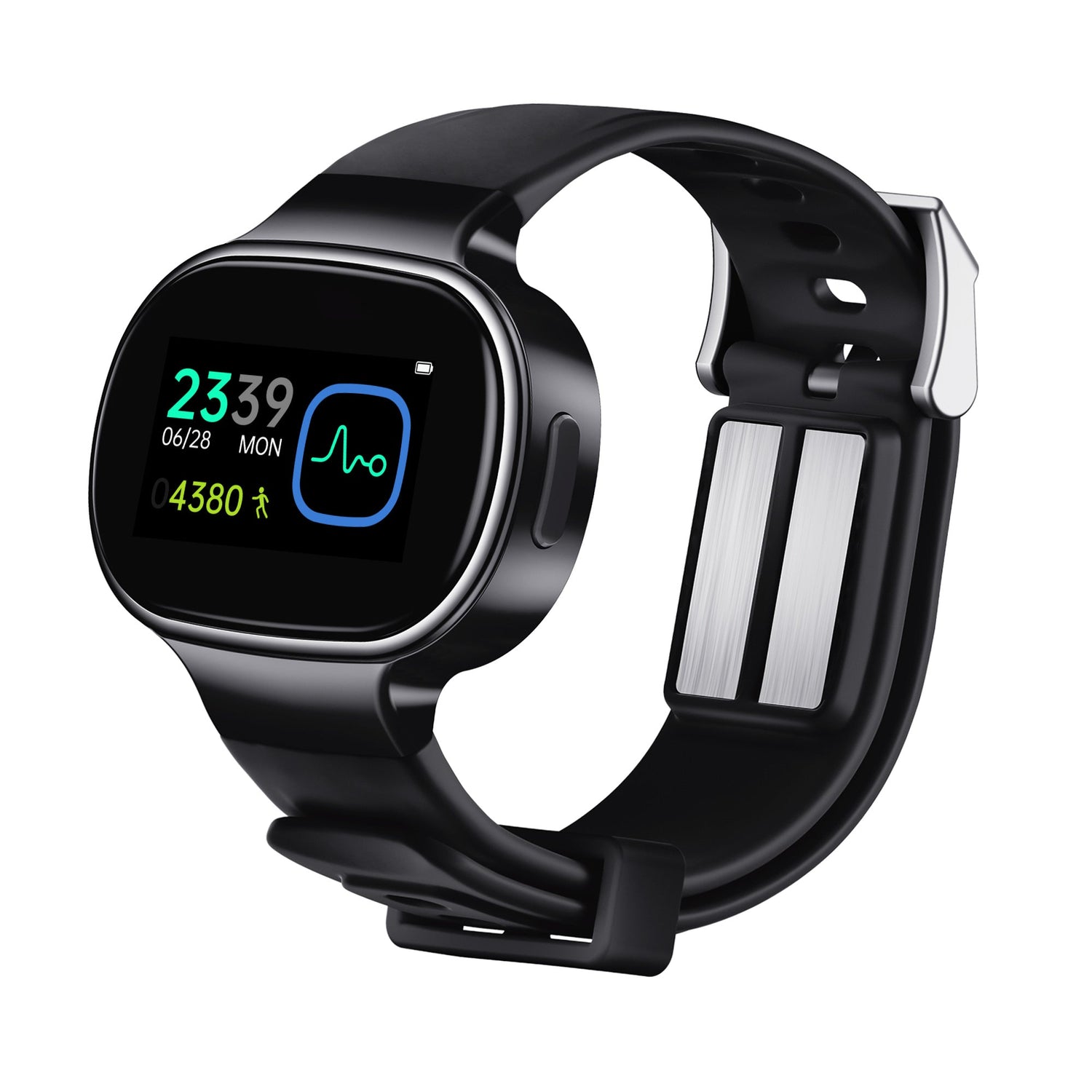
- For people who value everyday wellness, EmeTerm Smart extends beyond nausea relief to support healthier daily routines. With features including a timer, step tracking, workout modes, heart rate monitoring, and HRV reference, it brings everyday health insights together in one wearable device.
Every improvement reflects feedback from users around the world, because meaningful innovation happens when technology listens before it speaks.

Building a More Caring Future
World Population Day reminds us that behind every statistic is a person with unique experiences, challenges, and aspirations.
At EmeTerm, we believe innovation has its greatest value when it helps people participate more fully in life's meaningful moments—whether exploring a new destination, welcoming a growing family, recovering with confidence, or simply enjoying everyday activities without interruption. Creating better healthcare is ultimately about creating better human experiences.
This World Population Day, we celebrate the diversity of people around the world and reaffirm our commitment to developing wearable, drug-free technology that supports healthier, more connected lives—one journey, one family, and one person at a time.