
For millions of people worldwide, migraine is not just a headache — it is a neurological disorder that disrupts work, travel, family life, and emotional well-being. When attacks strike with throbbing pain, nausea, light sensitivity, and cognitive fog, fast relief becomes a necessity rather than a choice.
Over time, many patients find themselves “forced” to rely on pain medication. But is this true addiction? And more importantly, is there a better way to manage migraine without creating long-term dependence?
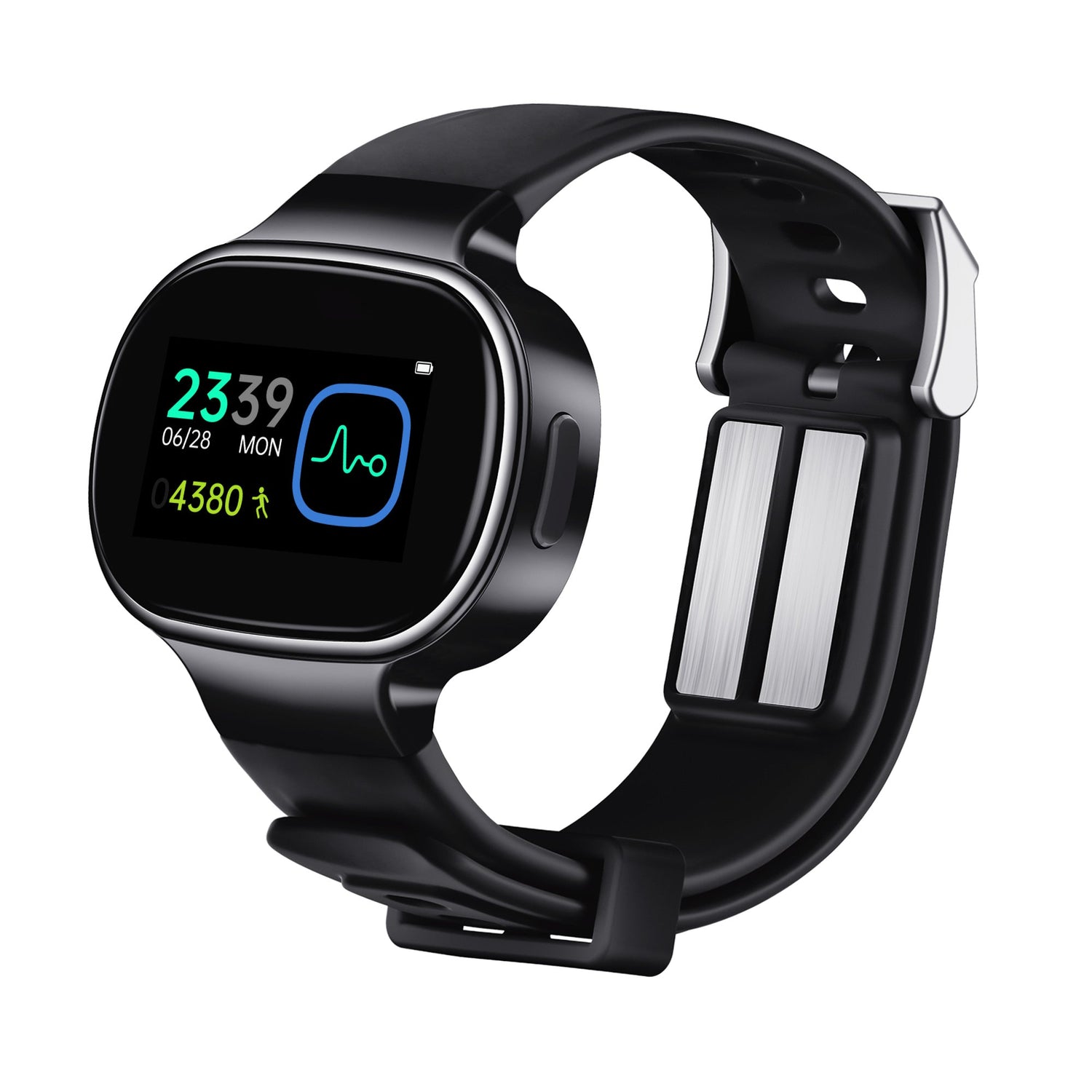
Understanding the difference between psychological reliance and physical dependence helps explain why medication-only strategies often fail — and why drug-free solutions like HeadaTerm2 are gaining attention in modern migraine care.
The Urgent Need for Immediate Relief
Migraine attacks can last from hours to days. During an episode, patients may be unable to drive, work, look at screens, or even tolerate normal sound and light. The fear of losing productivity or missing important life events pushes many people to treat as early and aggressively as possible. This leads to a pattern:
Pain begins → Medication is taken → Temporary relief follows → The next attack comes sooner
Over months or years, medication becomes the default response rather than part of a broader management plan.
Psychological Reliance vs. Physical Dependence
Not all “dependence” is the same.
| Psychological Reliance | Physical Dependence |
|
Psychological reliance occurs when patients begin to associate safety and control with taking medication. They may think:
“If I don’t take something now, it will get worse.” “I can’t function without pills.” “Medication is my only option.” This form of reliance is driven by fear of pain and uncertainty, not by chemical addiction. However, it still shapes behavior and encourages frequent use. |
Physical dependence happens when the body adapts to a drug.
Certain medications — especially opioids or barbiturate-containing combinations — can lead to tolerance and withdrawal symptoms.
Fortunately, these drugs are no longer recommended for most migraine patients. |
More commonly, migraine patients face a different issue: Medication Overuse Headache (MOH).
Why Migraine Management Must Go Beyond Pills
Modern migraine care is shifting away from “attack-only” treatment. Instead of waiting for pain and suppressing it, clinicians now emphasize:
- Early intervention
- Neuromodulation
- Trigger management
- Preventive strategies
The goal is not simply to stop pain, but to reduce the brain’s hypersensitivity that causes migraine in the first place. That is where non-drug technologies play an important role.

HeadaTerm2 is designed as a non-pharmacological migraine management solution based on external trigeminal nerve stimulation (e-TNS). Instead of entering the bloodstream, HeadaTerm2 works by stimulating peripheral nerves and influencing pain signaling pathways in the nervous system. HeadaTerm2 has also been included in the Migraine Device Corner of the American Migraine Foundation (AMF). HeadaTerm2 offers several key advantages:
- No Risk of Drug Dependence: Because HeadaTerm2 does not use chemicals, it avoids tolerance, withdrawal, and medication overuse headache.
- Supports Early Intervention: Using HeadaTerm2 at the first sign of migraine may help calm abnormal nerve activity before pain escalates.
- Compatible with Long-Term Use: Unlike repeated drug intake, HeadaTerm2 can be used regularly without stressing the liver, kidneys, or gastrointestinal system.
- Reduces Psychological Reliance on Pills: By giving patients a physical, controllable, non-drug tool, HeadaTerm2 helps shift the mindset from “I need medication” to “I can manage this safely.”
A More Sustainable Migraine Strategy
Migraine is a chronic neurological condition, not a one-time emergency. Relying solely on medication often creates short-term relief but long-term problems — both psychological and physiological. True migraine management should aim to:
- Reduce attack frequency
- Minimize medication exposure
- Empower patients with safer options
- Improve quality of life, not just suppress pain
HeadaTerm2 reflects this evolution in care — offering migraine patients a way to intervene early, manage pain responsibly, and break the cycle of forced medication dependence.
References
1. Addiction and Over-the-Counter Medications | American Migraine Foundation
2. Medication Overuse Headache | American Migraine Foundation