
Emerging insights from the American Migraine Foundation highlight a crucial reality for people living with Migraine: sleep and migraine are deeply interconnected in a two-way relationship.
Sleep disturbances—whether it is insufficient rest, inconsistent schedules, or even oversleeping—can significantly increase the likelihood of migraine attacks. At the same time, migraine episodes themselves often disrupt sleep quality, making it harder for the body to recover and restore balance. This creates a cycle in which poor sleep and migraine continuously reinforce each other.
This growing understanding reframes migraine as more than a condition defined by episodic pain. Instead, it is increasingly recognized as a complex neurological disorder closely tied to the body’s internal rhythms, particularly those that regulate sleep and recovery.
Beyond Pain Relief: Expanding the Scope of Migraine Care
With this perspective, migraine management is no longer limited to addressing pain during an attack. It extends into the spaces between attacks—when maintaining stability becomes just as important as relieving symptoms.
A more comprehensive approach to migraine care now emphasizes:
l Consistent daily routines that support neurological balance
l Healthy sleep patterns that promote recovery
l Reduced exposure to lifestyle-related triggers
l Improved quality of life during interictal periods
For many individuals, the goal is shifting from simply reacting to migraine attacks toward building a more predictable, manageable daily life.
Integrating Management Into Daily Living
As awareness of migraine’s broader impact grows, there is increasing interest in solutions that can integrate naturally into everyday routines. Patients are looking for approaches that do not rely solely on medication, but instead support long-term management while minimizing disruption to daily life.
Non-pharmacological options are becoming an important part of this shift. By working with the body’s natural systems rather than overriding them, these approaches offer a way to address migraine in a more sustainable and holistic manner.
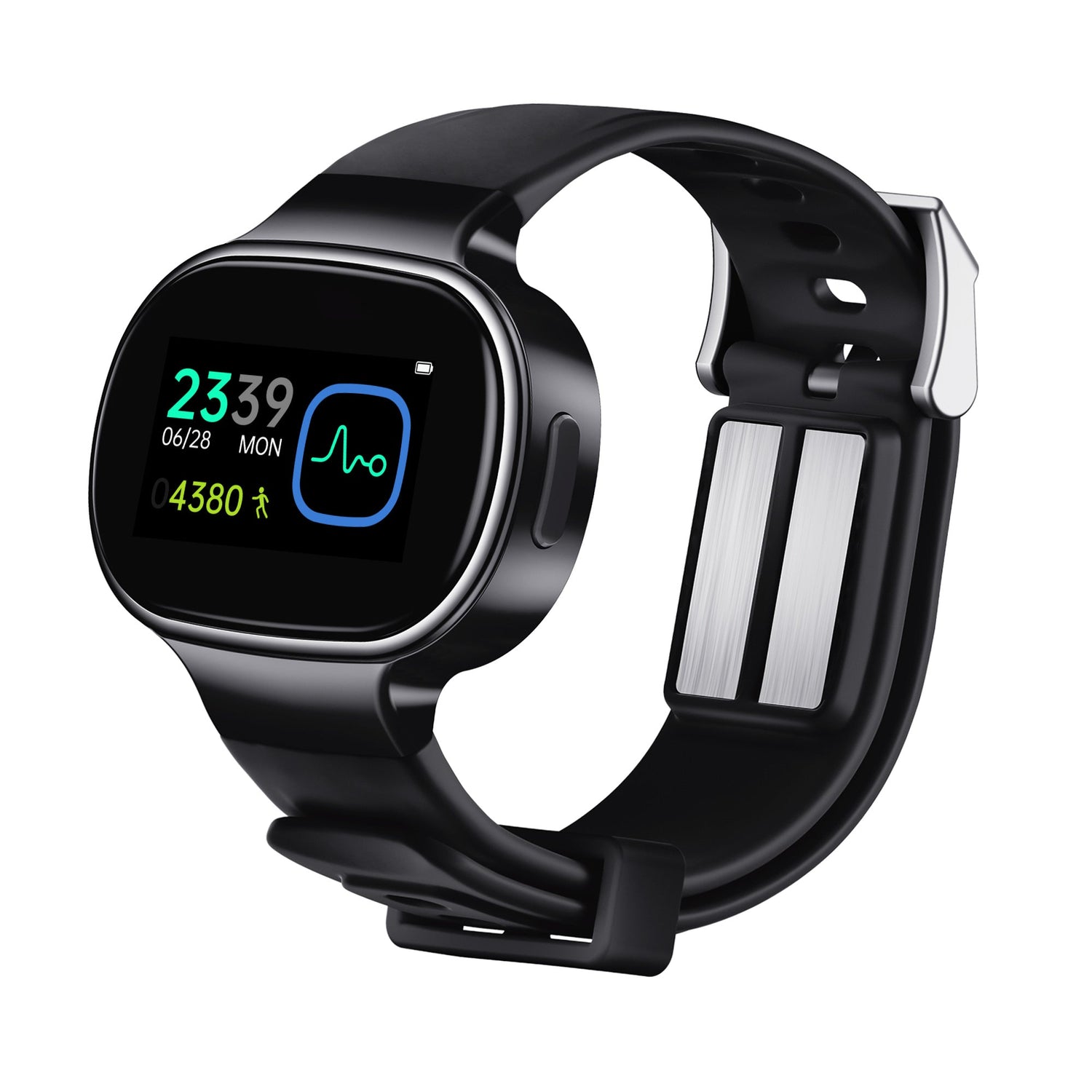
Within this evolving landscape, HeadaTerm2 represents a different way of thinking about migraine support. HeadaTerm2 also presence in the American Migraine Foundation Device Corner. As an FDA-cleared device eligible for FSA/HSA reimbursement, HeadaTerm2 represents a clinically supported, drug-free alternative for individuals seeking effective migraine relief without the burden of medication-related side effects.

A More Human-Centered View of Migraine
As research continues to uncover the connections between sleep, neurological regulation, and migraine, a clearer picture is emerging: effective management is not just about eliminating pain. It is about supporting the rhythms of everyday life.
At the same time, HeadaTerm will continue to evolve through ongoing product innovation and clinical exploration. Our goal is to deliver meaningful, long-term value to people living with migraine by not only improving device performance, but also advancing a more integrated management approach—combining neuromodulation, pharmacological options, and lifestyle optimization. By investigating how these elements work together, we aim to help users achieve more consistent and maximized therapeutic outcomes.
References
1. American Migraine Foundation(2026). Migraine and Sleep: Understanding the Two-Way Connection.https://americanmigrainefoundation.org/resource-library/migraine-and-sleep-understanding-the-two-way-connection/
2. American Migraine Foundation. (2024). Device Corner: Neuromodulation Devices for Migraine. https://americanmigrainefoundation.org/device-corner/